Shova’s Journey
Increasing agriculture production in Nepal.
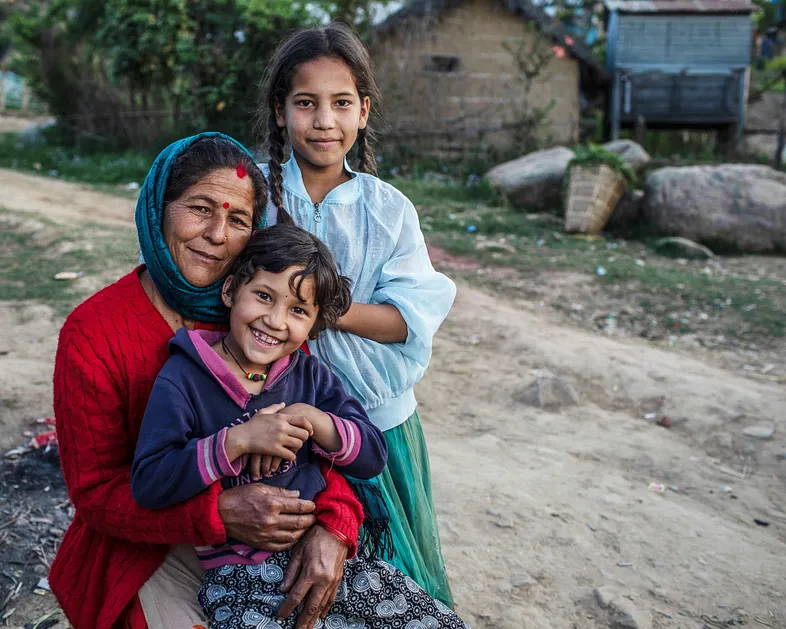
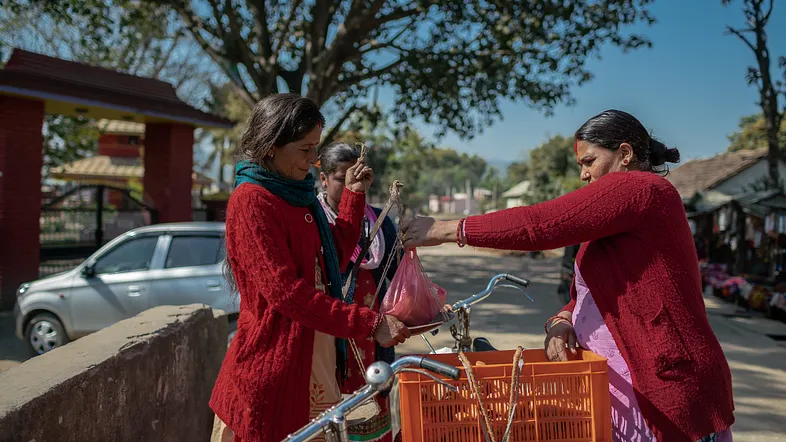
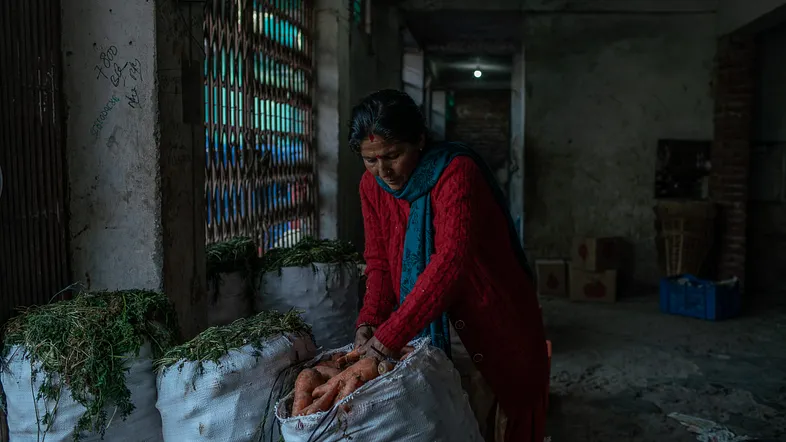
We met Shova Khatri in her village of Charkune. Every morning she takes the same journey, starting at the top of the hill and making her way to the markets where she sells her produce.
Today, she is taking a detour as she shows us around the village, highlighting the progress the community has made.
Like so many of the 80 percent of Nepalis who rely on agriculture, Shova grew just enough crops to feed her family for four months a year. For the remaining months, the family had to depend on wages from casual jobs and they struggled to survive.
Shova’s husband went overseas in search of work but had little success and eventually returned home. She then moved to the Surkhet District of Nepal with the goal of providing her daughters with better opportunities and education.
In 2015 she received training and equipment from a project through Feed the Future, the U.S. Government’s global hunger and food security initiative led by the United States Agency for International Development (USAID). After the training, she started to produce and sell more vegetables, tripling her income.
At first, she received a weighing scale and a bicycle.
“With a bicycle, I am quite confident to travel far to sell more vegetables. I now sell 100 kilograms of vegetables per day reaching about 55 customers, whereas before getting a bicycle, I used to struggle to sell about 50 kilograms of vegetables per day.” Shova Khatri
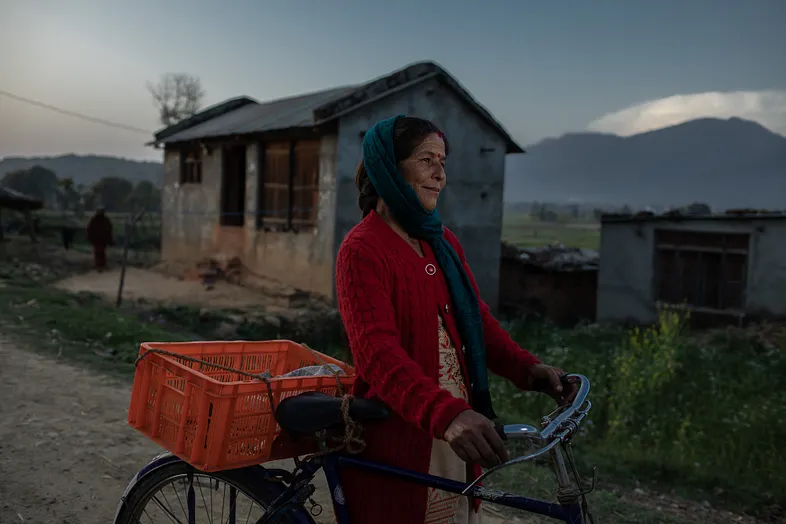
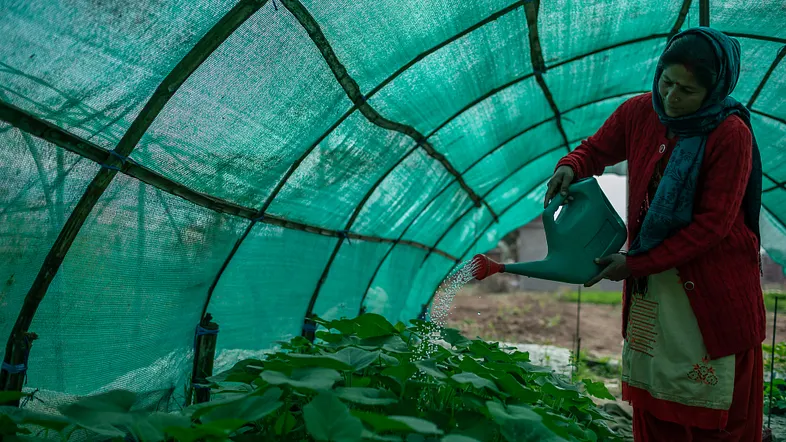
Demand for her vegetables — including carrots, cauliflower, and cabbage — increased. So Shova had to grow more. She then received training on improved techniques to boost her yields.
“I learned the skills of vegetable production and improved post-harvest practices to maintain the quality of my vegetables. I also learned business skills to market and sell vegetables, bargain, and negotiate prices.” Shova Khatri.
With the additional income, Shova expanded into mushroom farming.
She shares what she learned on farming and marketing techniques with other women in the village who as a result have also increased their incomes.
“I can now afford school fees for my daughter, fulfill all our basic household requirements, and save the rest in the bank for our future well-being.” Shova Khatri.
Shova is proud to send her children to school.

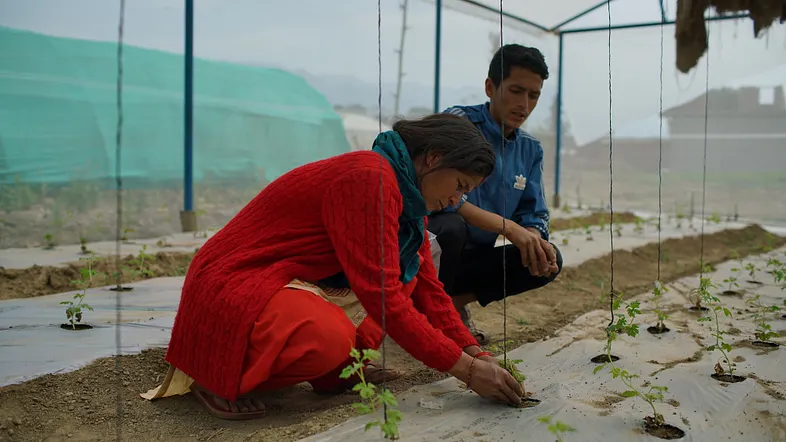
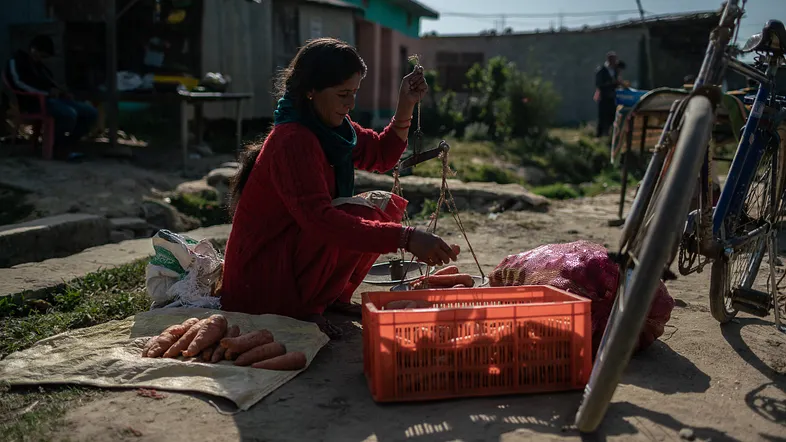
Shova wanted to give back to her community, especially other women in her village who experienced similar struggles.
She taught 60 women vegetable production, business, and marketing skills that she learned from the Feed the Future training, mentoring them until their own businesses began to blossom.
As a result, these women have doubled their daily sales of vegetables. With better income, the village women can buy more nutritious food for their families.

The kind of agriculture-led growth that Feed the Future catalyzes is making a big difference, helping communities to build their resilience, securing the gains they have made, and help keeping them out of poverty.

Credits: Story by Sahar Kalifa; Photos by Morgana Wingard.