The Ocean Connects Us
Addressing plastic pollution in Alaska.
Introduction
You probably already know this, but the world is facing a huge plastic pollution problem. No, this is not a story trying to convince you that plastic is the enemy. We have to recognize that plastic can provide important benefits. Not all plastic is bad. It’s how we use and manage it.
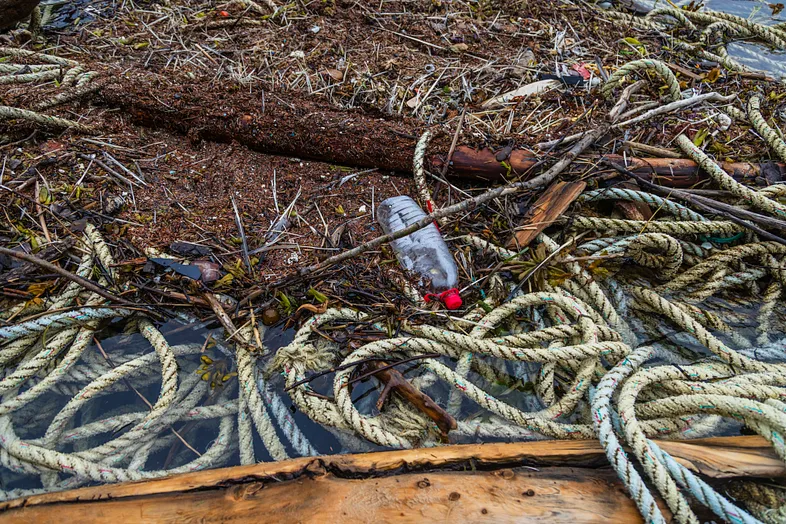
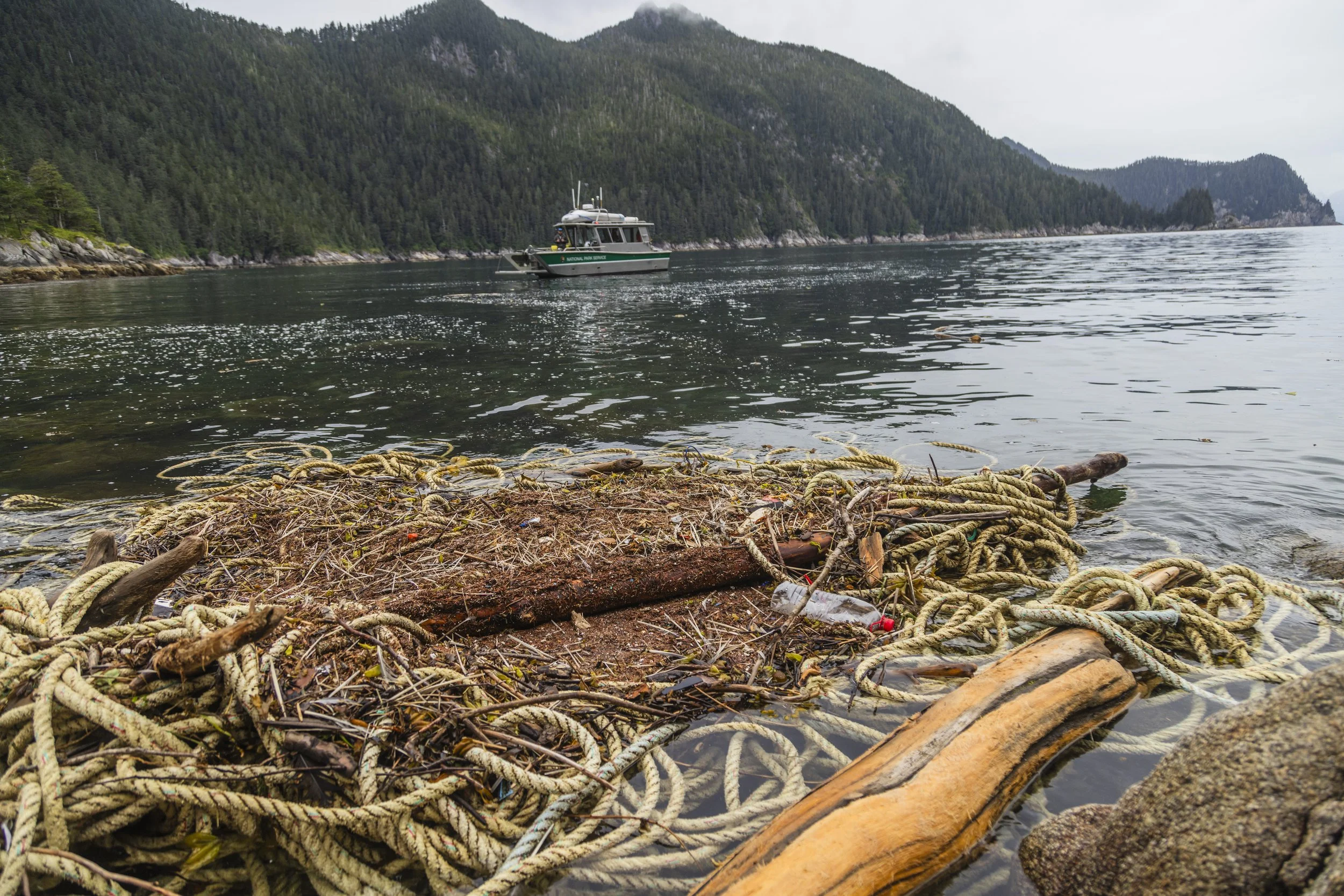
Take Alaska for example. This remote location with vast wilderness, diverse wildlife, and seemingly unspoiled nature is filled with plastic pollution.
This is a story of how investing in international programs can positively impact communities in the United States, and how rethinking our relationship with plastic can turn a major problem into an opportunity.
The Plastic Problem
It’s no secret that we are overusing plastic. Global plastic production rose nearly 230-fold between 1950 and 2019. Today we produce about 400 million metric tons of plastic waste every year. An estimated 40% of that is single-use plastic such as plastic bottles and grocery bags. In addition, only 9% of plastic is recycled.
The same qualities that make plastic so useful and durable, also make it nearly impossible to completely break down. So while we are continually increasing the production of plastic, most plastics do not biodegrade and it is unknown how long they remain in the environment.
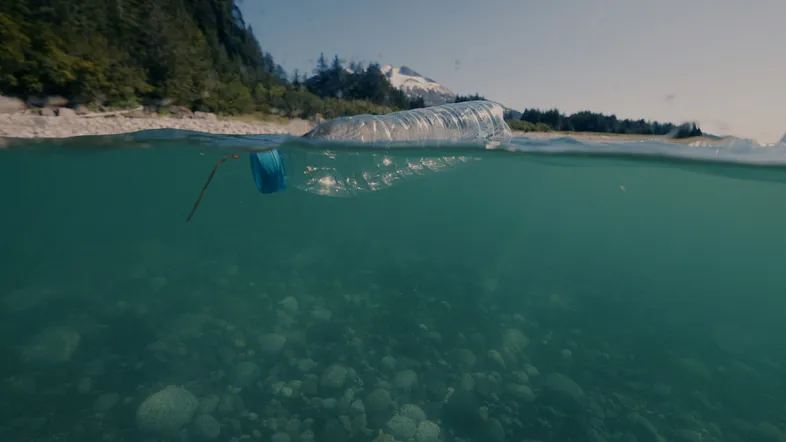
Instead they break up into smaller and smaller pieces called microplastics. Microplastics are tiny particles of plastic that can be eaten by marine life and end up in their bodies and tissues, and ultimately they enter the food chain and impact ecosystems at all levels.
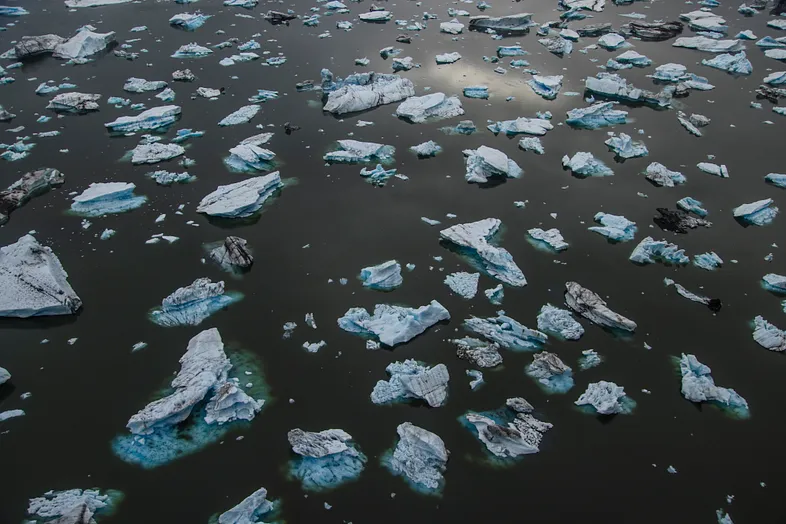
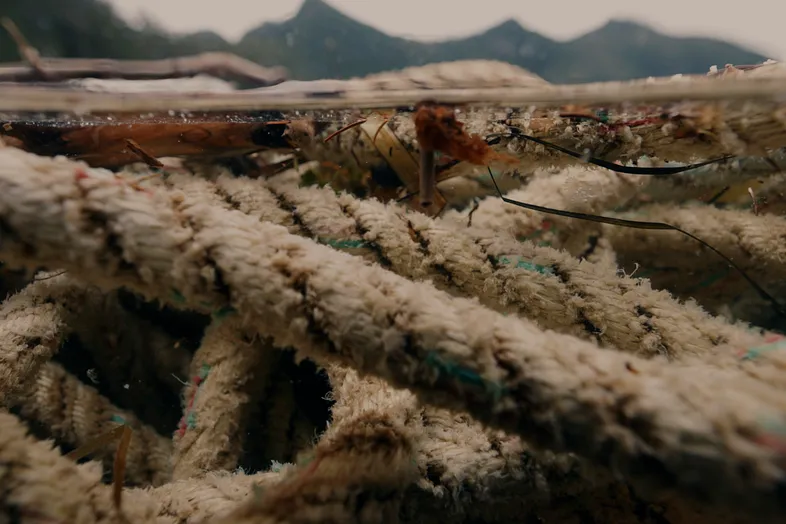
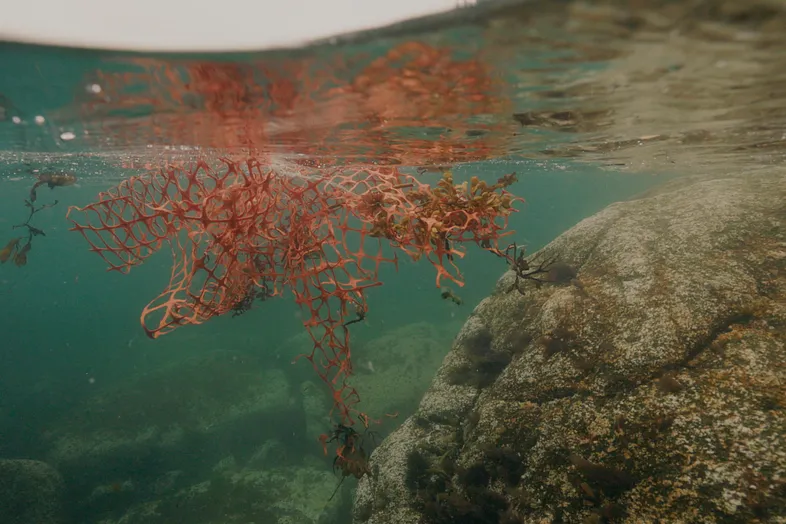
Marine debris consists of plastics, metals, rubber, paper, textiles, fishing gear, and other items that enter the marine environment every day. Our trash has been found in every corner of our ocean, from the most remote shorelines, to ice in the Arctic, and even the deepest parts of the sea floor. Plastic items are the most common type of marine debris.
Experts estimate that around the world, the equivalent of one garbage truck of plastic enters the ocean every minute. That amounts to an estimated 11 million metric tons of plastic entering the ocean each year. And that number keeps growing.
The Last Frontier
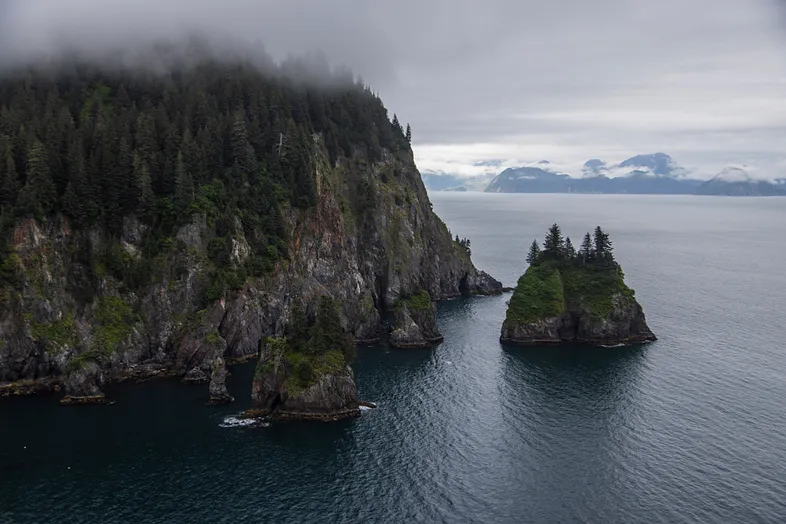
The name Alaska was adapted from the Unangax̂, people indigenous to the Aleutian islands, and roughly translates to “great land.” It’s the largest state in the United States by area and has more coastline than the contiguous United States — surrounded by the Pacific Ocean, Bering Sea, Chukchi Sea, and the Beaufort Sea.
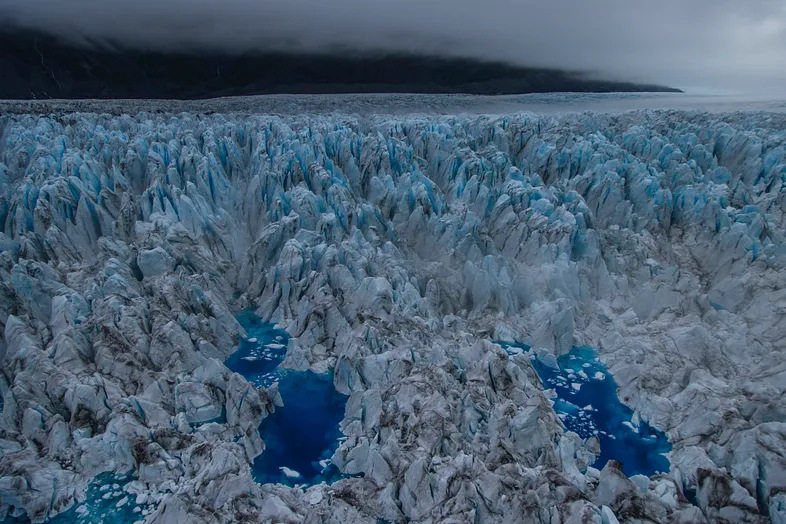
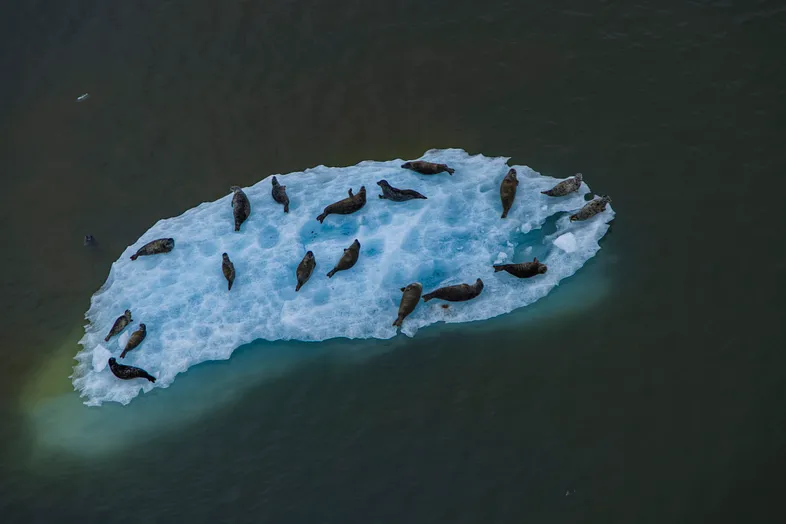
It has vast wilderness, diverse wildlife, and beautiful parks and glaciers. So many of the natural areas seem untouched. And yet residents are seeing marine debris, including lots of plastics, washing up on remote beaches.
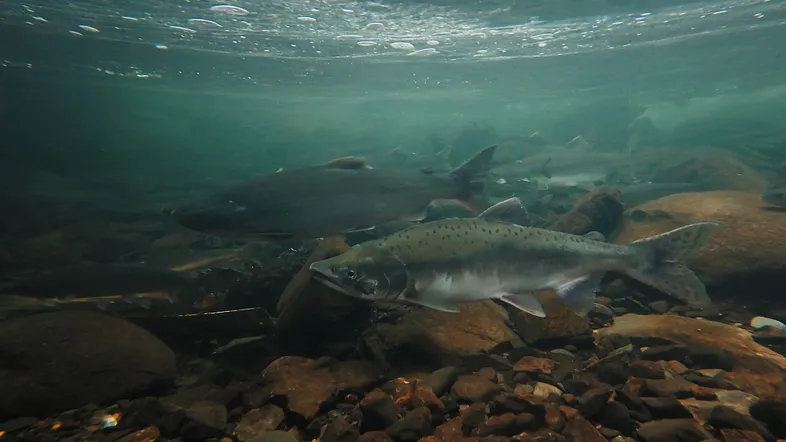
The nature of ocean currents, wind patterns, and storm surges are some of the reasons large amounts of plastic pollution arrive on the Alaska shorelines every year. Alaska also has some of the most productive and critical fisheries in the United States. These can be impacted by plastics that arrive from both distant and local sources.

The Seward Community
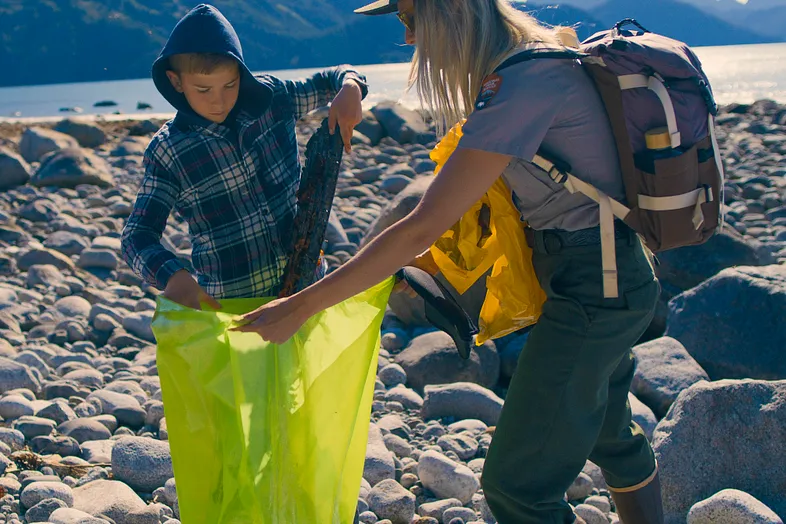
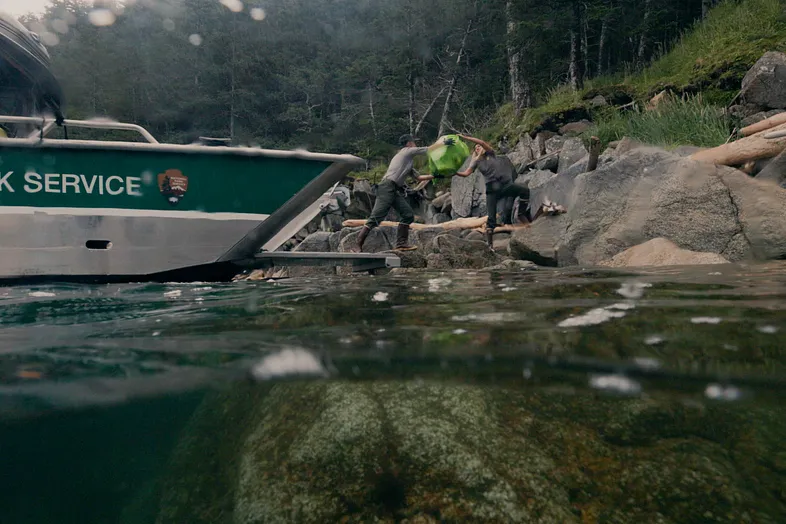
Fiona, the education coordinator at the National Park Service Ocean Alaska Science and Learning Center, sees the impact that plastics have on the Alaskan shoreline.
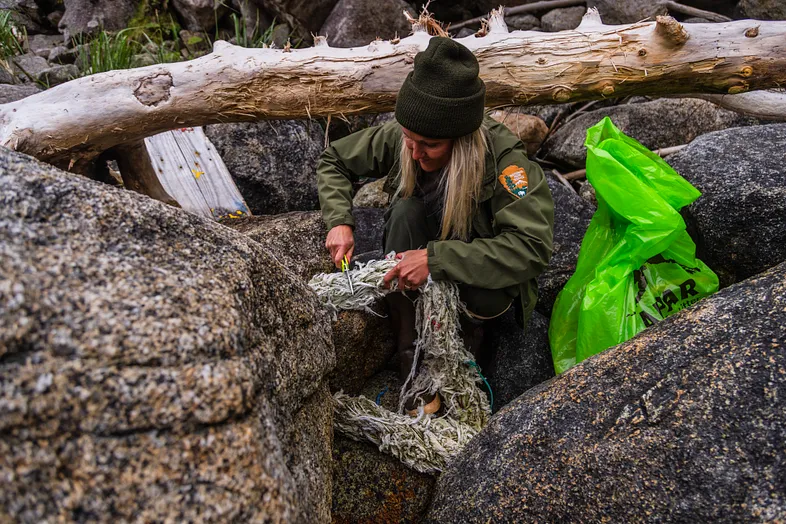
Together with local partners and the dedicated community in Seward, she helps organize clean-ups removing marine debris from catcher beaches in Kenai Fjords National Park — those that experience large amounts of wave action and thus, collect more debris than other locations.
Addressing marine debris in Alaska is more challenging due to the rugged and remote coastline, but the community is focused on fixing the problem. Not only do they organize continuous clean-ups, they are also trying to reduce the use of plastic and are reusing and recycling it in innovative ways.
In addition to communities taking action, there is a lot that is being done by governments, businesses, and other stakeholders. Fast action is needed to reduce our plastic footprint and protect our oceans from the harms of plastic pollution.

A Holistic Approach
We can address the plastic pollution problem in several ways:
Designing and using plastic products that can be more easily and more efficiently reused or recycled (an approach known as a circular economy);
Implementing policies that reduce demand for certain plastic products;
Environmentally sound management of plastic waste; and
Policies that increase reuse, recycling, and recovery of plastic.
The U.S. government is working internationally and domestically to help address the plastic problem in a holistic way.
The Department of Interior’s National Park Service organizes clean-ups to remove marine debris from coasts and parks around the United States, and informs and brings communities together to work on reducing and recycling plastic.
The National Oceanic and Atmospheric Administration Marine Debris Program has a mission to investigate and prevent the adverse impacts of marine debris through six main pillars: prevention, removal, research, monitoring and detection, response, and coordination. The Marine Debris Program works nationally and regionally to understand and address marine debris impacts, working across the many groups and agencies that form the marine debris community in each region.
In 2023, the Environmental Protection Agency released its “Draft National Strategy to Prevent Plastic Pollution” as part of a series on “Building a Circular Economy for All.” The agency also runs the Trash Free Waters program, reducing the volume of trash entering U.S. waterways by working with partners to implement collaborative solutions that target land-based sources. At the global level, EPA works to address marine debris through international policy engagement, actions, and projects — such as the development of the publicly available International Trash Free Waters Implementation Guide.
In the same year, the State Department launched the End Plastic Pollution International Collaborative — a public-private partnership that leverages U.S. government investment with civil society and private sector resources to drive more circular solutions that complement actions by national governments under a global agreement on plastic pollution.
Once plastic is in the ocean, it is very difficult and expensive to remove. That’s why the United States Agency for International Development partners with countries around the world to better manage waste and prevent plastic from entering the ocean in the first place through its Save Our Seas Initiative. This initiative supports implementation of the landmark Save Our Seas Act 2.0 — a bi-partisan legislation passed by Congress in December 2020 to conserve oceans internationally and domestically. The Act contains three titles that enhance: (1) the United States’ domestic programs to address marine debris, (2) international engagement to combat marine debris, and (3) domestic infrastructure to prevent marine debris.
A Mandate for a United Nations Plastics Treaty. In late November 2024, the fifth negotiating session of the United Nations Plastics Treaty took place where 170 countries participated to discuss an international legally binding instrument on plastic pollution, including in the marine environment. This session saw a record-breaking turnout—3,300 delegates total—representing governments and observers, reflecting the treaty’s growing importance on the global stage. Forthcoming session are scheduled to finalize the discussion. This could be a major step to come up with long term solutions that are less harmful to the planet. In the meantime, individuals like Fiona are making a difference and we can too.
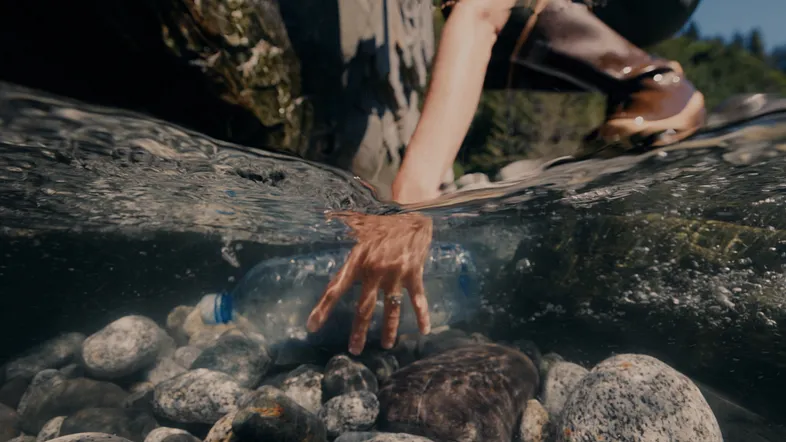
Watch the short film here.
Director and producer: Sahar Kalifa; Videographer and photographer: Bobby Neptune; Editor: Zac Holben.
Credits: Story by Sahar Kalifa; Photos by Bobby Neptune.