Wilfred’s Leap of Faith
A community in Malawi builds resilience one drop at a time.
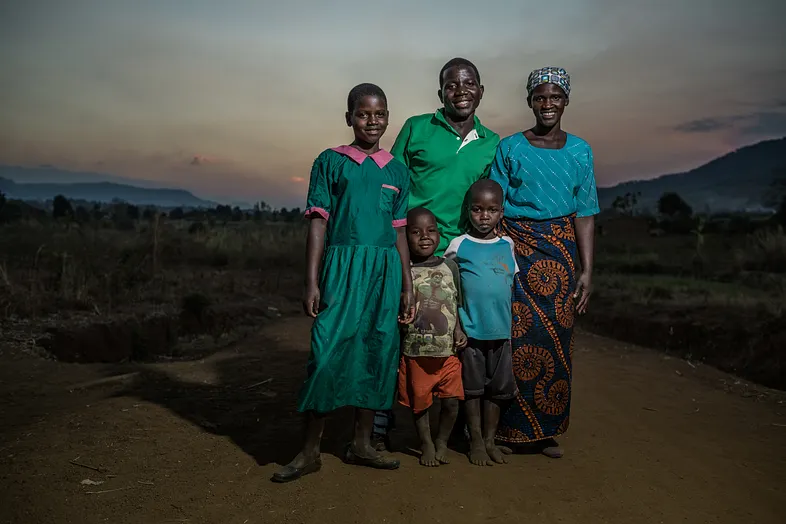
“In the beginning, God created the earth. He started with the environment. And later He created man to take care of the environment.” — Wilfred Charles
Wilfred Charles is a 35-year-old farmer and pastor who helped his community grow more resilient against drought by building an irrigation system in his village of Mitawa.
We arrived in Mitawa village on a Monday morning where we met Wilfred and his family for the first time. Mitawa, a collection of 35 small villages near the Lingoni River in Malawi, has suffered from consecutive droughts throughout the years. We were in Mitawa to learn about the irrigation system the village built so they can grow more food.
There are many stories around the world on the work The United States Agency for International Development (USAID) and partners are doing to help people grow more resilient. Part of my job is to tell these stories — stories of the individuals, families and communities who are working to improve their communities and to become self-reliant. After talking to Wilfred, we knew his story is a compelling one, a story of faith, persistence and love for his community.
As we mark World Water Day, we wanted to share Wilfred’s story with you.
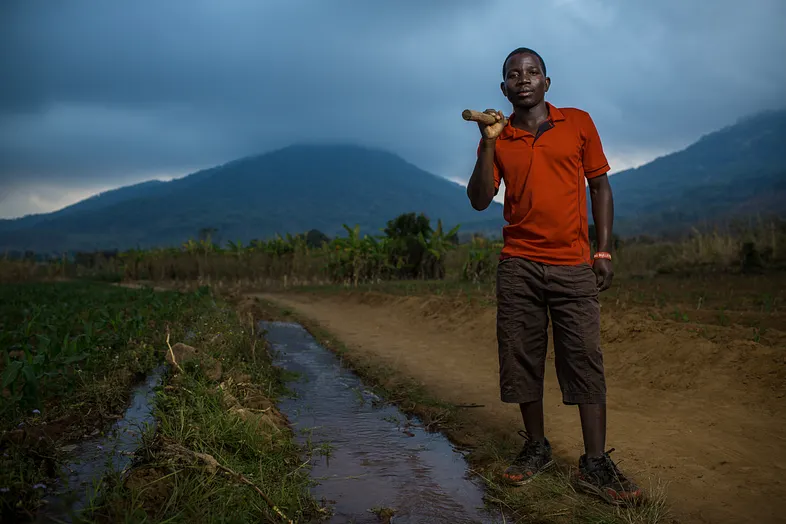
Wilfred is one of six volunteers who built an irrigation system for his village. He told us he experienced drought several times growing up. He remembers that when he was young there was a famine, and because there was not enough food he was underweight.
Now, Wilfred and his wife Magrate Nthawani have four children: Bright, Joyce, Rodgers and Mphatso. It’s important for him to make sure he has enough food to feed his family.
In 2010, USAID introduced Wilfred’s community to irrigation farming to help regularly supply water to their crops. An extension worker explained how irrigation farming works, and the community started looking for volunteers to build irrigation canals.
At first, 269 community members volunteered. But when they realized how difficult the work was, all left except for Wilfred and five other men.
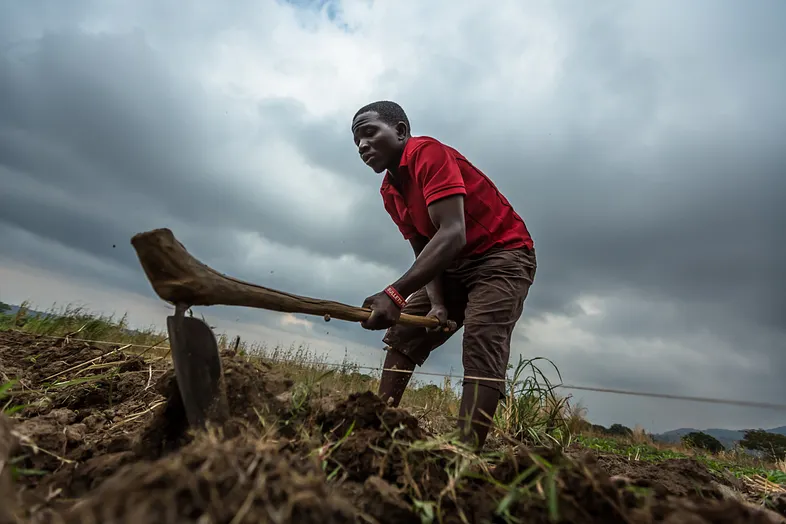
The six worked for three years so that their community could regularly supply water to their fields, with the goal of becoming self-reliant. USAID provided food aid to support them as they were building the irrigation canals. People mocked them and thought they were crazy. But Wilfred did not give up. He believed this work would benefit his community and continued persistently with his task.
“The first day the irrigation water reached our fields, it was like a dream come true.” — Wilfred Charles
After three years, water started flowing through the fields. The land was protected from soil erosion. And crops were growing. As a result of the new irrigation system, the community is now able to feed itself despite the droughts.
“If the six men did not show up, the whole community would now be facing hunger and our children would be malnourished. Now, we are confident because we have water.” — Wilfred Charles

Six years after USAID introduced the new method to the village, Wilfred’s community is still reaping the benefits of their hard work. People are able to cultivate more, send children to school, build houses, and have more economic opportunities.
USAID is helping Malawians, half of whom still suffer from hunger, to better withstand droughts by giving them the skills and tools they need to prepare. and be more resilient to future droughts.
“This community means a lot to me because at first we thought we could not do anything. But now we are able to do things that we are proud of.” Wilfred Charles
Credits: Story by Sahar Kalifa; Photos by Morgana Wingard.